


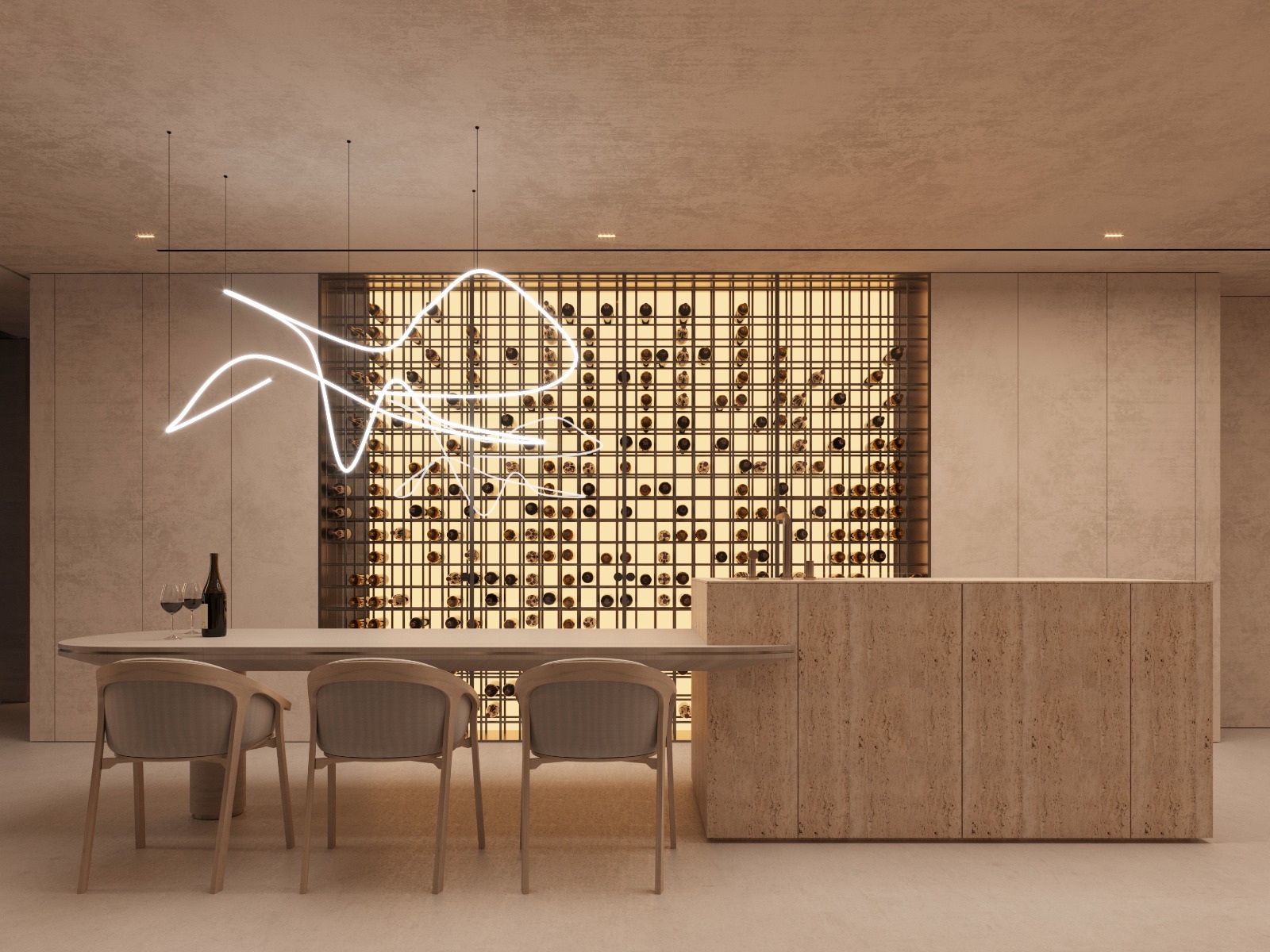
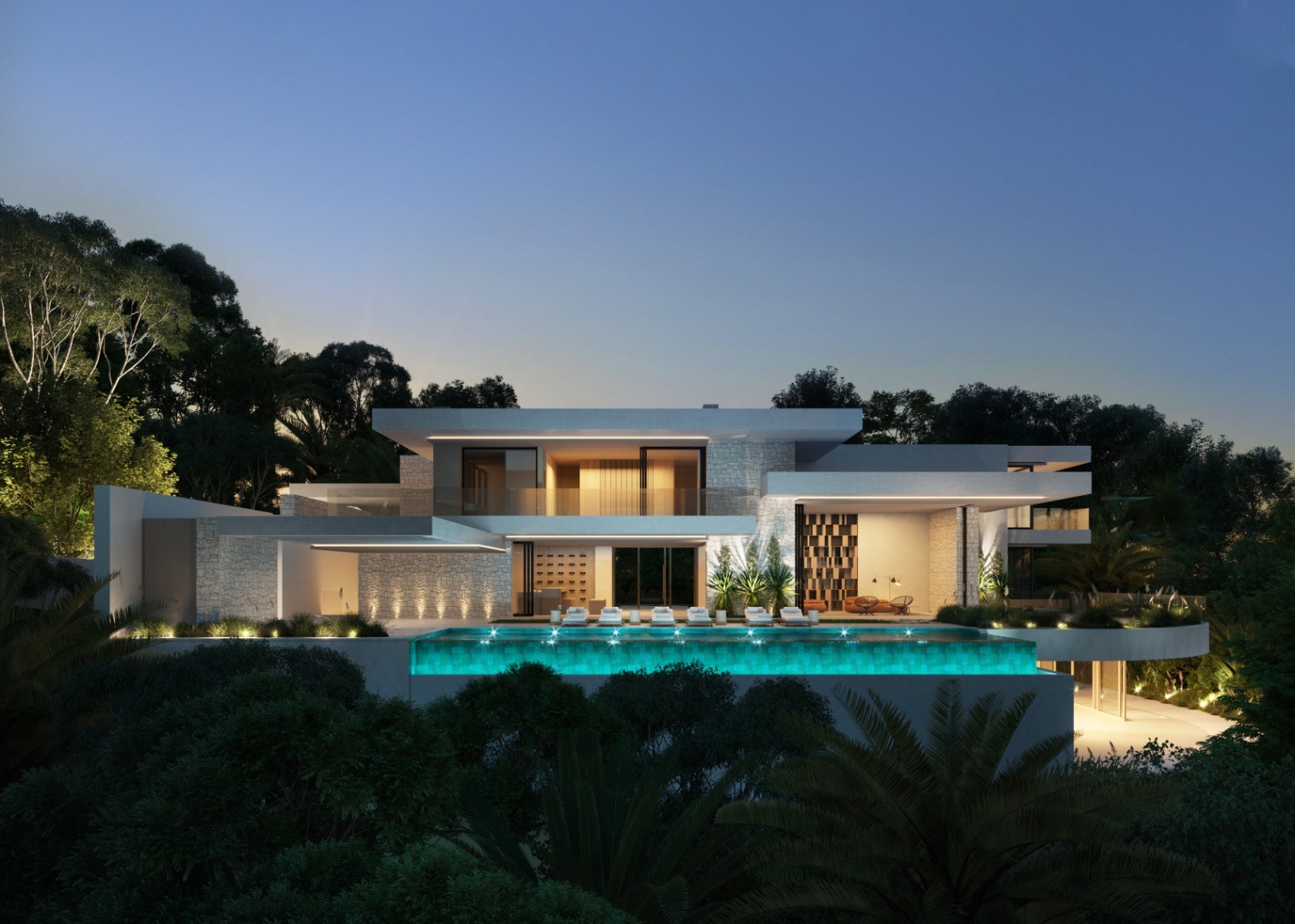
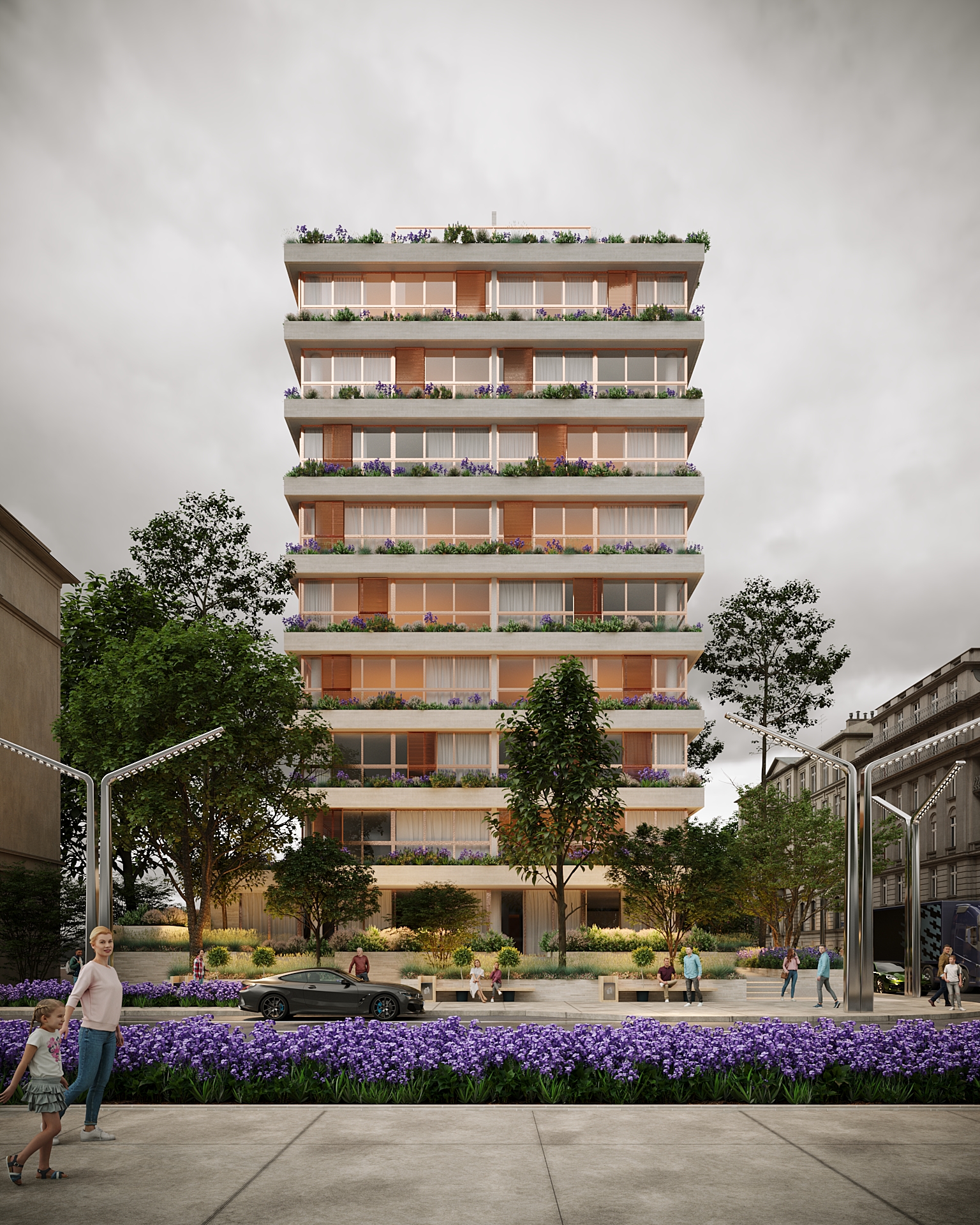

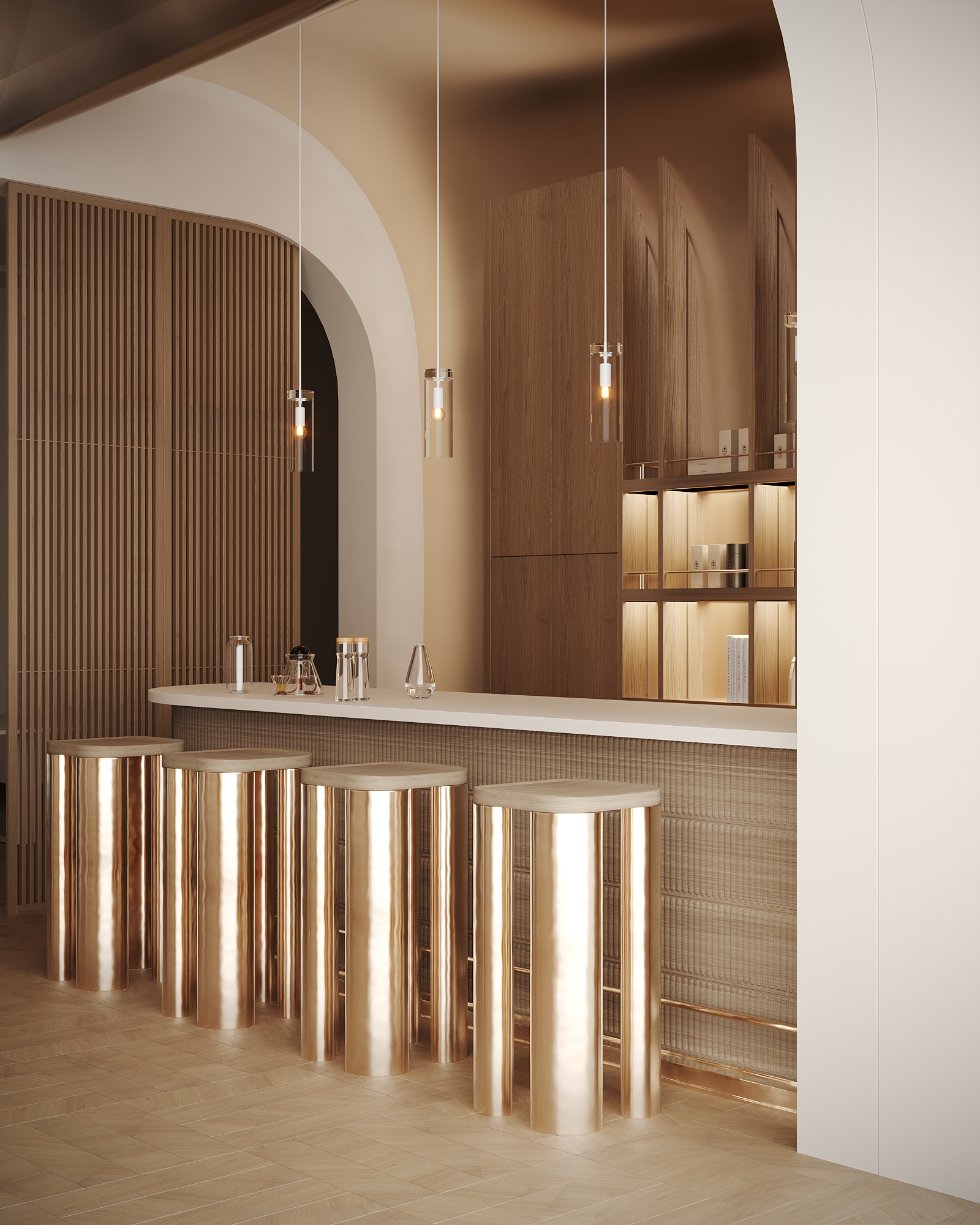
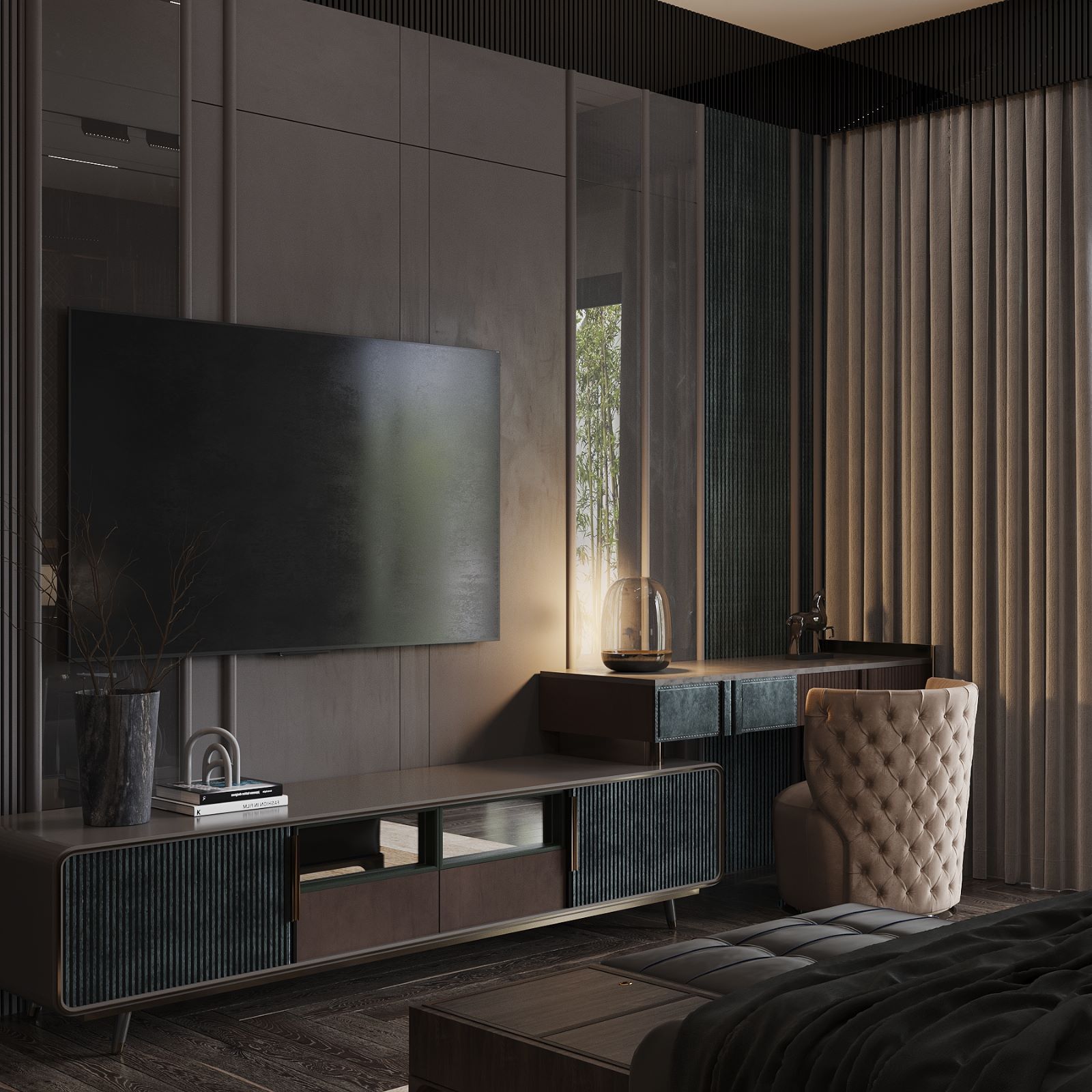


How is virtual reality transforming architecture?
Architecture has always been a blend of art and technology, but the arrival of virtual reality (VR) is truly revolutionizing the industry. VR is no longer just for gaming—it now enables architects, designers, and clients to interactively explore projects before they become reality.
At The Providence Studio, we use VR technology every day to enhance our projects, and here’s how it’s changing the game in architecture.


1. Visualization Like Never Before
Traditional drawings and 3D models provide a good overview, but VR takes it a step further. Instead of viewing a plan on a screen, VR places you inside the space. Clients can walk through their future home, commercial space, or investment project, exploring every detail in realistic proportions.
This experience allows for a completely new level of spatial understanding—the sense of dimensions, height, light, and layout becomes tangible and real.
“Design is thinking made visual.”SAUL BASS
2. Faster and Better Decision-Making
One of VR’s biggest advantages in architecture is the ability to interactively test different solutions in real time. Clients can see how changing wall colors, materials, or furniture layouts affects the space.
Instead of waiting until the project is completed to realize something doesn’t meet their expectations, clients can make informed decisions right away—reducing later modifications and saving both time and money.

3. Improved Communication Between Architects and Clients
One of architecture’s longstanding challenges has been effectively conveying the architect’s vision to the client. VR breaks down the barriers of technical drawings and complex explanations—now clients can see, experience, and understand the project without needing further interpretation.
This leads to better understanding among all parties and higher client satisfaction.
4. Optimization During the Construction Process
VR is not only useful during the design phase. Throughout construction, contractors can use VR models to understand complex project details and avoid potential mistakes.
For example, an architect can demonstrate to the contractor exactly how certain elements should appear in the space, increasing both accuracy and efficiency in execution.

5. Sustainable Design Through VR
One of the most important applications of VR is sustainability analysis. Clients and architects can test energy-efficient solutions—such as natural lighting or ventilation—before the project is built.
This simulation enables the creation of spaces that are environmentally friendly while remaining aesthetically and functionally superior.
6. Creating the Wow Factor for Investors
For large-scale projects involving investors or partners, VR is an invaluable tool. Instead of standard presentations, VR allows investors to literally “step inside” the project and experience its full potential.
This approach leaves a powerful impression and significantly increases the chances of securing funding or support.

Conclusion
Virtual reality is transforming architecture in ways we could never have imagined. It allows clients to experience their projects before they’re built, architects to convey their ideas with greater precision, and contractors to better understand every aspect of the project.
At The Providence Studio, we use VR as a tool for innovation, collaboration, and creating spaces that inspire. The future of architecture is here—and it looks incredible through VR goggles.
Get in touch with us and experience how virtual reality can shape your next project!


